Canada Revenue Agency Tax Season: What You Need to Know
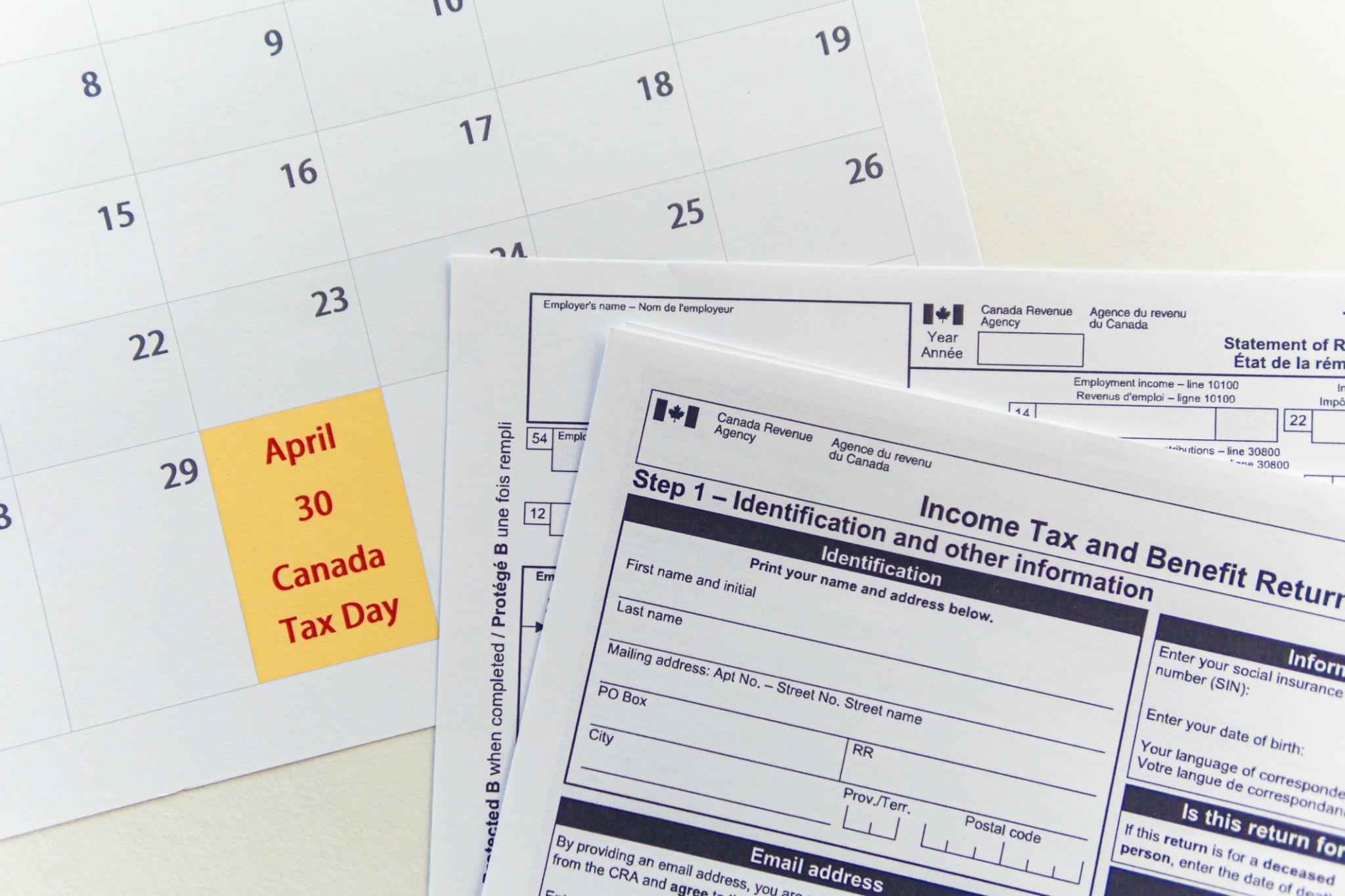
Welcome to tax season, folks! Whether you’re a first-timer or a seasoned filer, this time of year always stirs up a mix of anticipation and, let’s be honest, a little stress. But don’t worry—we’re here to break down everything you need to know about the Canada Revenue Agency (CRA) tax season, so you can navigate it with confidence and maybe even a bit of enjoyment.
This week, we’ll walk through the essentials: key dates, filing options, common credits, and a few handy tips to keep your paperwork in order. Think of it as your friendly tax companion to help you breeze through the process—or at least make it a bit less daunting.

Timing Is Everything: When Does Tax Season Run?
In Canada, tax season is that annual window when millions sit down to get their financial ducks in a row. For most individuals, the filing period officially opens in February and wraps up on April 30. But if you’re self-employed, you get a bit of extra time to file—until June 15—to juggle your paperwork. Warning: even if you file later, any taxes owed must still be paid by April 30, or interest will start ticking up.
Missing these deadlines isn’t just inconvenient; it can lead to penalties. So mark your calendar, set reminders, or tie a string around your finger—do whatever it takes to meet those dates!
What Does the CRA Expect From You?
The CRA’s not just looking for numbers on a form. During tax season, they want you to:
- Report income from all sources (tip: be thorough here to avoid headaches later)
- Accurately claim deductions and tax credits you’re eligible for
- Submit your returns either electronically or by mail
- Pay any balance owing on time
Beyond filings, this period is essential for determining your eligibility for various government benefits, like the GST/HST credit and the Canada Child Benefit (CCB). So even if you don’t owe taxes, filing your return keeps the money flowing where it should.
Filing Made Simple: Paper or Online?
While some longtime taxpayers still swear by paper filing, the digital shift is well underway. Most Canadians now file electronically using NETFILE-certified software, which saves time and speeds up refunds. The best part? These programs often pre-fill portions of your return with info the CRA already has, reducing errors and hassle.
If the idea of yelling at your printer or deciphering tax jargon makes you want to hide, electronic filing might just be your new best friend. But if you prefer paper—say, for peace of mind—you’re free to send in physical forms; just remember that it will take longer to process.
Credits and Deductions: What Can You Claim?
Knowing which credits you qualify for can be a game-changer, potentially boosting your refund or cutting down what you owe.
Some of the most common credits include:
- The basic personal amount (a staple for almost all taxpayers)
- Tuition and education credits (handy for students or those paying for continuing education)
- Medical expenses (just keep those receipts!)
- Registered Retirement Savings Plan (RRSP) contributions
- Work-from-home expenses (a newer one many have come to appreciate)
Pro tip: take the time to explore what you might be eligible for. The difference on your refund can be surprisingly generous.
Be Prepared: CRA Reviews and Compliance
Tax season isn’t just about submitting your return and moving on. The CRA may increase their review activities during this period, requesting supporting documents or receipts to verify claims. This doesn’t instantly spell an audit, but having well-organized records can save you a world of headaches.
Being proactive and keeping good documentation throughout the year is your best defence against any surprise inquiries.
Final Thoughts
At its core, tax season with the CRA is more than just crunching numbers—it’s about staying compliant, making sure you receive all the benefits you deserve, and planning smartly for the months ahead. With clear deadlines, accessible filing options, and a little groundwork, it doesn’t have to be a dreaded chore.
So, take a deep breath. Crunch those numbers. And maybe reward yourself with a nice coffee once you hit submit. You’ve earned it.
Looking ahead, we’ll dive into some common tax pitfalls to avoid and tips on maximizing your refund next week—stay tuned!
Thanks for stopping by—here’s to a smooth and successful tax season, together.