The Evolution of Neuromorphic Engineering: Dr. Tuan A. Duong’s 26-Year Journey at NASA JPL
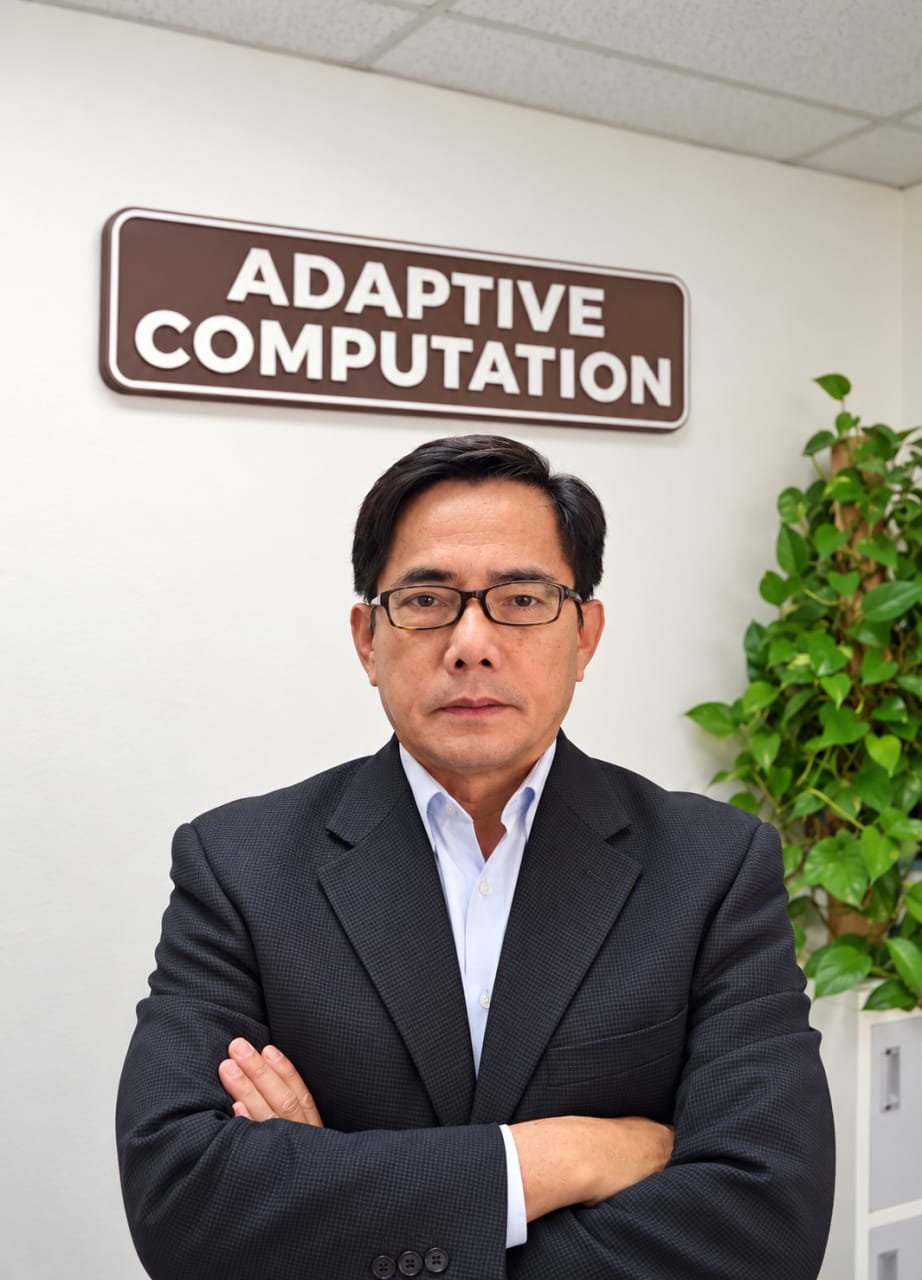
The foundation of modern cognitive computing wasn’t built overnight; it was forged over decades of relentless exploration. Dr. Tuan A. Duong, featured in the latest edition of The Legacy Icons Magazines, represents the pinnacle of this evolutionary journey. Arriving at NASA’s Jet Propulsion Laboratory in 1985, he stepped into an environment that encouraged thinking beyond conventional limits.
## Building the Brain’s Hardware
At JPL, Dr. Duong’s research spanned neural networks, sensor fusion, and machine vision. His early work simulating neuronal activity using John Hopfield’s associative memory model laid the groundwork for neuromorphic engineering—translating biological neurobiology into electronic circuits. By entwining memory and computation, much like human synapses, he challenged the traditional von Neumann architecture that dominates today’s computing.
## A Legacy of Innovation
Over 26 years, his bio-inspired technologies supported planetary exploration and intelligent sensing, resulting in 30 NASA New Technology Reports and the prestigious 2002 Exceptional NASA Space Act Award. His journey from JPL to founding Adaptive Computation LLC highlights a career dedicated to breaking computational boundaries. For more stories on visionaries shaping our technological landscape, explore The Legacy Icons.