The OpenAI vs Big Tech AI Showdown: What’s Really Going On?
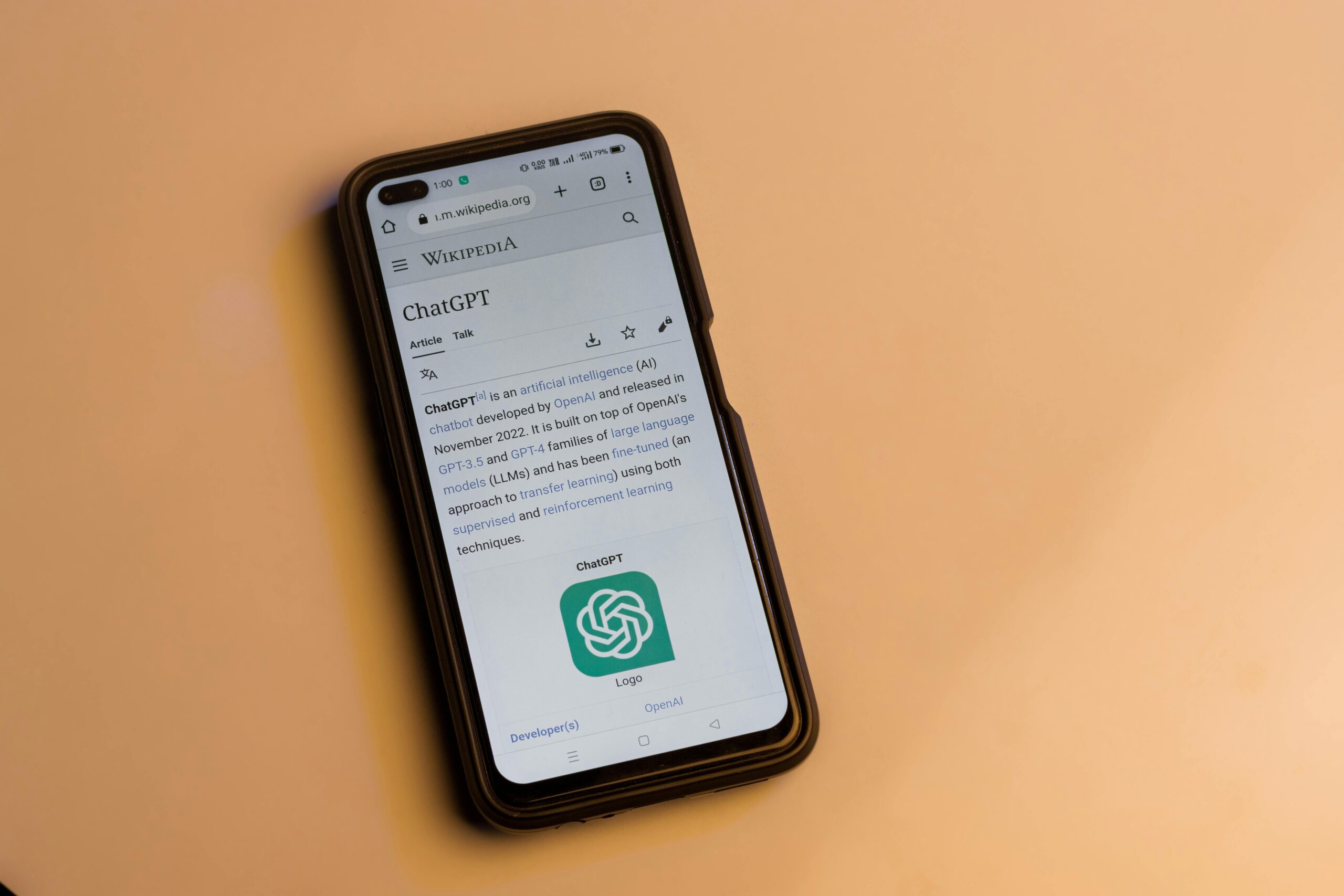
Hey there, curious minds! If you’ve been anywhere near the tech world lately, you’ve probably caught wind of the simmering, and sometimes boiling, rivalry between OpenAI and the big tech giants when it comes to artificial intelligence. This week, let’s unpack that rivalry—what’s at stake, who’s playing hardball, and why it matters beyond just the latest gadget hype.
First off, why is this “AI war” even a thing? Well, AI isn’t just about smart assistants or cute chatbots anymore. It’s becoming the beating heart of everything from healthcare and finance to creative arts and national security. OpenAI, originally born out of a mission to promote AI for the public good, has become a major player pushing boundaries with models like GPT. Meanwhile, big tech companies—think Google, Microsoft, Amazon, Meta—aren’t just sitting on the sidelines. They’re pouring billions into their own AI programs, competing fiercely to own the innovation crown.
What makes this rivalry especially fascinating is the strategy and philosophy tussle beneath the surface. OpenAI has often positioned itself as a more open, collaborative counterbalance to the historically secretive big tech ecosystem. Yet, as OpenAI’s influence and product reach grow, so does its corporate character, partnering closely with big players like Microsoft. This blend of openness, competition, and partnership creates a complex dance—sometimes cooperative, sometimes cutthroat.
Behind the scenes, there are huge stakes. Whoever controls the best AI technology gains not just market dominance but power over data, user attention, even ethical narratives about AI’s role in society. Think of it as a high-tech chess match where each move is about capturing the future of how we work, think, and connect.
For consumers and enthusiasts, the payoffs are exciting and, admittedly, a bit overwhelming. More innovation means smarter tools and fresh possibilities. But it also raises questions about privacy, transparency, and who really benefits when AI shapes our daily experiences—and jobs.
If you’re looking to dive deeper, here are a few things to watch: the evolving partnerships (like OpenAI-Microsoft’s cloud synergy), antitrust and regulatory discussions picking up steam, and how AI models are being integrated into apps and services you might use every day.
So, whether you’re a tech geek, a casual user, or an ethical AI skeptic, this unfolding “war” has something to keep on your radar. It’s more than competitive bragging rights; it’s a glimpse into the tech-driven future we’re all co-creating.
That’s it for now—thanks for tuning in! Next week, we’ll explore how AI is reshaping creative fields like art and storytelling, with some surprising insights from recent projects. Until then, stay curious and remember: behind every headline is a story, and behind every AI, human minds thinking big.