Top 8 Destinations for Unforgettable Stargazing Experiences Worldwide
Stargazing offers a unique way to connect with the universe, revealing the vastness and beauty of the night sky. Finding the right place to observe stars can make all the difference. Light pollution, weather conditions, and altitude play crucial roles in the quality of your stargazing experience. This guide highlights eight of the best locations around the world where the stars shine brightest, providing unforgettable views for amateur and seasoned sky watchers alike.
1. Mauna Kea, Hawaii, USA
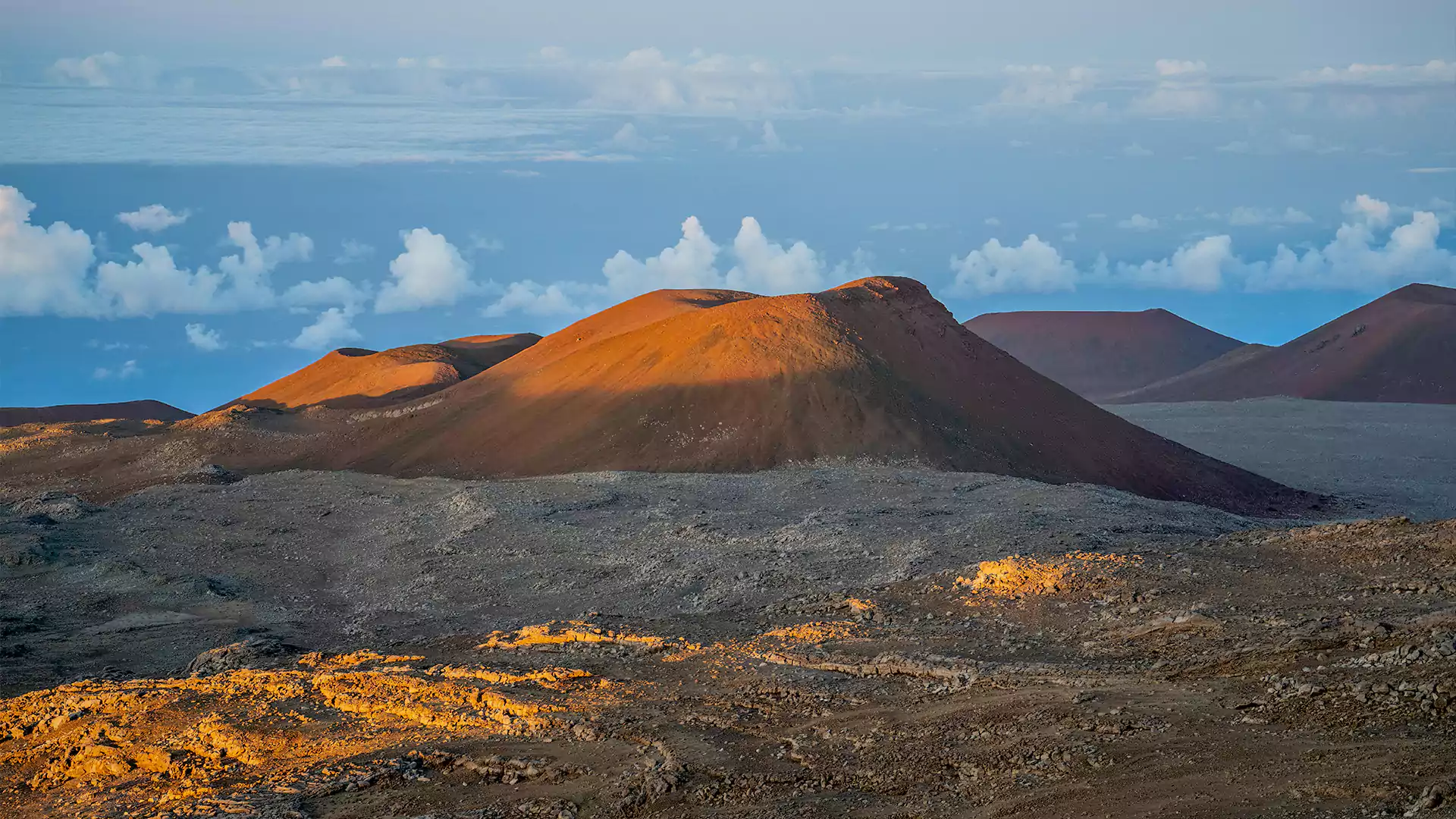
Mauna Kea stands as one of the most famous stargazing spots on Earth. This dormant volcano rises over 13,000 feet above sea level, placing observers above much of the Earth’s atmosphere. The summit offers crystal-clear skies with minimal light pollution. The combination of high altitude, dry air, and stable airflow creates ideal conditions for viewing stars, planets, and even distant galaxies.
Visitors can join guided tours that include sunset watching and telescope sessions. The Mauna Kea Observatories also conduct scientific research, making this location a hub for both amateur and professional astronomers.
2. Atacama Desert, Chile
The Atacama Desert is one of the driest places on the planet, which means almost no clouds or humidity interfere with stargazing. Located in northern Chile, this desert offers some of the darkest skies in the world. The region hosts several observatories, including the ALMA (Atacama Large Millimeter/submillimeter Array), which is one of the most advanced astronomical facilities globally.
Visitors can explore stargazing tours that provide high-powered telescopes and expert guides. The clear skies reveal the Milky Way in stunning detail, along with countless constellations and celestial events.
3. Jasper National Park, Alberta, Canada
Jasper National Park is a designated Dark Sky Preserve, meaning it has strict regulations to reduce light pollution. Located in the Canadian Rockies, the park offers breathtaking views of the night sky framed by rugged mountain peaks. The cool, crisp air enhances visibility, especially during the fall and winter months.
The park hosts an annual Dark Sky Festival, attracting visitors eager to learn about astronomy through workshops, guided night walks, and telescope viewings. The chance to see the Northern Lights adds to the magic of this destination.
4. Namib Desert, Namibia
The Namib Desert is another excellent location for stargazing due to its remote location and dry climate. The desert’s vast open spaces and minimal artificial light create perfect conditions for observing stars. The clear skies allow for spectacular views of the Southern Hemisphere’s constellations, which are not visible from many other parts of the world.
Visitors can stay at eco-lodges that offer nighttime sky tours. The combination of desert landscapes and starry skies creates a memorable experience for travelers.
5. Aoraki Mackenzie, New Zealand
Aoraki Mackenzie International Dark Sky Reserve covers a large area in New Zealand’s South Island. It is one of the best places in the Southern Hemisphere to observe the stars. The reserve includes Mount Cook National Park and offers stunning views of the Milky Way, planets, and meteor showers.
Local guides provide stargazing tours with telescopes and share knowledge about Maori astronomy traditions. The region’s low humidity and high altitude contribute to excellent sky clarity.
6. La Palma, Canary Islands, Spain
La Palma is known as the “Island of Stars” due to its commitment to preserving dark skies. The island’s high altitude and strict lighting regulations make it a prime spot for stargazing. The Roque de los Muchachos Observatory, located at the island’s summit, is one of the world’s leading astronomical research centers.
Tourists can join night tours that include telescope viewing and astrophotography sessions. The island’s mild climate allows for year-round stargazing opportunities.
7. Kiruna, Swedish Lapland
Kiruna, located above the Arctic Circle, offers a unique stargazing experience with the chance to see the Northern Lights. The region’s long winter nights provide extended hours of darkness, ideal for observing stars and auroras. The cold, dry air enhances visibility, and the surrounding wilderness reduces light pollution.
Visitors can stay in glass igloos or lodges designed for sky watching. Local experts offer guided tours to maximize the chances of witnessing spectacular celestial displays.
8. Death Valley National Park, California, USA
Death Valley is one of the darkest places in the continental United States. Its vast desert landscape and low humidity create excellent conditions for stargazing. The park has been designated an International Dark Sky Park, highlighting its commitment to preserving night sky quality.
Visitors can attend ranger-led night sky programs or explore on their own. The clear skies reveal a dazzling array of stars, planets, and the Milky Way stretching across the horizon.
Each of these destinations offers a unique stargazing experience shaped by geography, climate, and cultural context. Whether you prefer the deserts of Chile and Namibia, the mountains of Canada and Hawaii, or the remote islands of New Zealand and Spain, these locations provide some of the clearest and most breathtaking views of the night sky.
Planning a trip to one of these spots requires considering the best time of year, weather conditions, and local regulations. Many offer guided tours that enhance the experience with expert knowledge and equipment.