US Halts Trump-Era Emergency Tariffs After Supreme Court Ruling—But the Trade Drama Isn’t Over
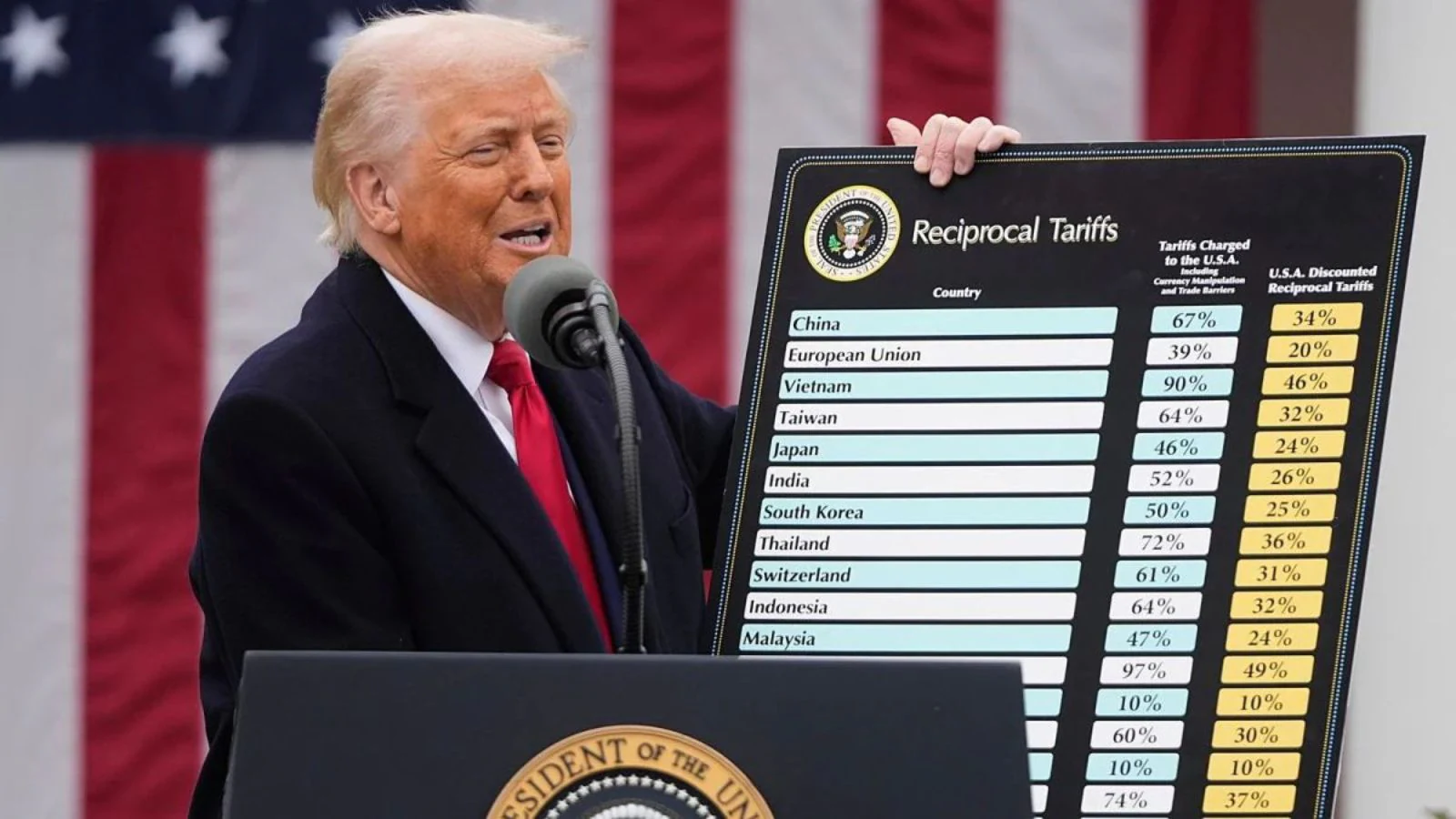
Hey there, welcome back to the weekly trade and policy roundup! If you’ve been following the back-and-forth on tariffs, you know things are never straightforward. This week brings a major development in the US tariffs saga: the Supreme Court’s recent decision has forced the government to stop collecting certain emergency tariffs imposed during the Trump administration. But before you start picturing a quiet trade scene, spoiler alert—there’s a twist.

What Just Happened with Those Tariffs?
On Tuesday at 12:01 a.m. EST, the US Customs and Border Protection (CBP) officially stopped collecting tariffs that were imposed under the International Emergency Economic Powers Act (IEEPA). This comes shortly after the Supreme Court ruled those tariffs unlawful—dealing a significant legal blow to the Trump-era trade measures that were bringing in more than half a billion dollars daily in revenue.
The CBP’s announcement detailed a shutdown of all tariff codes linked to the IEEPA tariffs. This is not just a technical shift—it potentially opens the door for importers to seek refunds of the millions collected since these tariffs began. Economists at the Penn Wharton Budget Model estimate this refund risk at a staggering $175 billion in lost treasury revenue.
However, it’s important to note that this suspension applies only to the IEEPA-based tariffs. Other tariffs tied to national security concerns (Section 232) and unfair trade practices (Section 301) remain in place for now, so the trade landscape is far from reset.
The Tariff Ping-Pong: The New 15% Rate
Here’s where things get interesting: within hours of the Supreme Court ruling, Donald Trump introduced a new global tariff of 15% using Section 122—a rarely used legal provision. This move essentially replaces the invalidated IEEPA tariffs with a fresh set of duties, keeping tension high for importers and international trade partners.
This rapid retooling of tariffs shows just how nimble—and persistent—the US approach to trade restrictions can be. For businesses, it means keeping a close eye on legal and policy shifts is more important than ever, as the rules can change on a dime.
Why Should You Care?
Whether you’re a retailer, manufacturer, economist, or just a curious consumer, these tariff manoeuvres ripple through the economy. Increased tariffs often mean higher costs for imported goods, which can translate to pricier products on store shelves. On the flip side, the legal challenges put a spotlight on the balance of presidential power in trade policy—reminding us that checks and balances truly matter in shaping economic realities.
Plus, the sheer scale of daily revenue generated—and potentially refunded—by these tariffs underscores how big a ticket item trade policy is for US government finances.
Looking Ahead
The CBP has pledged to keep the trade community informed as things evolve, so expect more updates and fine print to come. For now, the takeaway is clear: the “tariff tug-of-war” in the US isn’t slowing down, and global trade watchers will have plenty to discuss at the water cooler and beyond.
Thanks for stopping by and unpacking this week’s trade news with me. Next week, I’ll be diving into how other countries are responding to these US tariff changes—and what it means for the global supply chain. Until then, keep curious and keep questioning!